E-commerce Product Photography That Supports Sales
 BEFORE
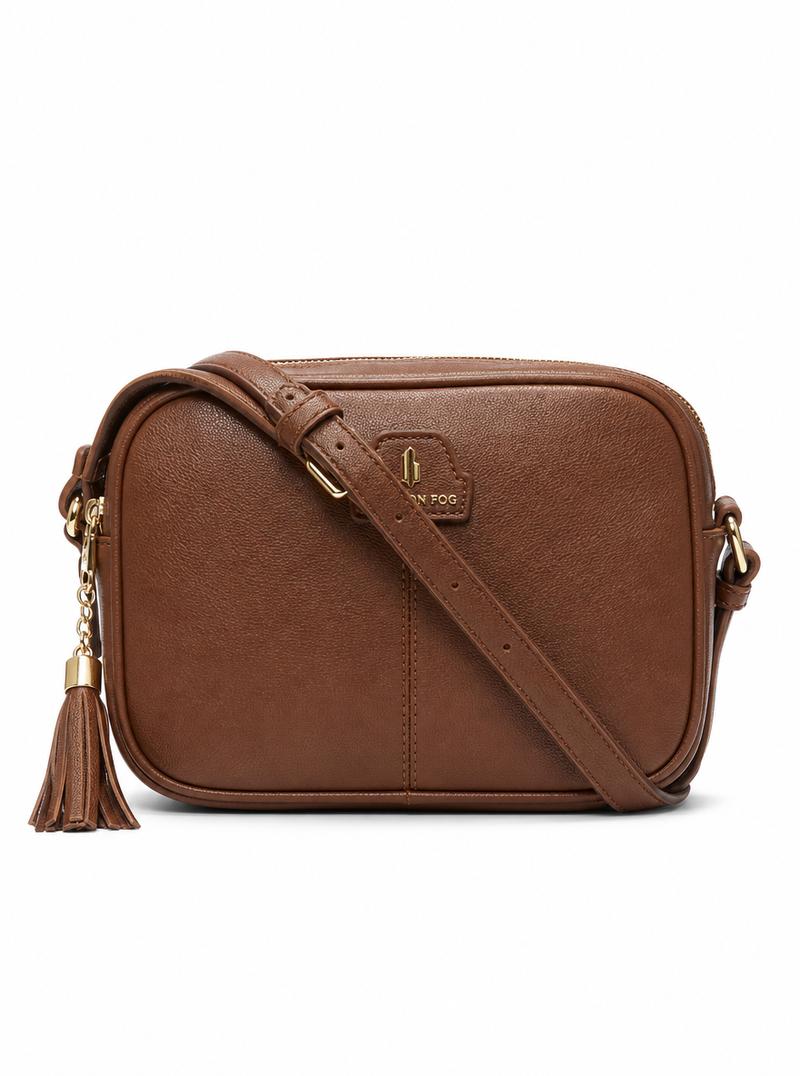 AFTER
AFTER
Your Main Image Is the Customer's First Product Inspection
Online shoppers cannot touch the leather, inspect the hardware in person, or move the product through different lighting conditions. The main image must therefore carry much of the responsibility of an in-store display and a first sales conversation. LUMATEL helps e-commerce brands present products with clarity and consistency, so customers can understand what they are considering from a marketplace listing or product page.
The before image shows a familiar phone-photo situation. The brown leather crossbody bag sits against a cluttered indoor background under warm ambient light. That warmth creates a visible color cast, while weak separation allows the product to blend into its surroundings. Reflections across the leather and metal hardware are uncontrolled, lighting is inconsistent, and important details—including the grain, construction, edges, stitching, and gold hardware—are difficult to assess.
These are not purely cosmetic issues. Background objects compete for attention, inaccurate color makes the shade of brown uncertain, and bright or muddy reflections conceal material information. When lighting changes from one image to the next, products from the same collection can appear unrelated. A main image must do more than include the product in the frame; it must provide credible, comparable information in a limited visual space.
Why Leather and Metal Hardware Are Demanding Subjects
Leather needs enough highlight definition to communicate grain, softness, and structure, but harsh reflections can flatten or obscure those same qualities. Polished buckles and other metal parts reflect the surrounding environment and operate across a very different brightness range. Showing both materials together requires a careful balance: the leather needs dimension, the hardware needs clean definition, and neither should dominate the image.
Accurate brown color adds another challenge. Warm lighting can push the product toward orange or red, while insufficient illumination can make it look nearly black. At the same time, the background must read as clean and neutral without weakening the product edges or making the bag appear detached from the surface. The body, strap, and hardware also need a balanced composition that remains legible at marketplace-thumbnail size.
Traditional professional production may require expensive studio lights, background systems, support equipment, color-management tools, and experienced photography and finishing specialists. Depending on product complexity, usage, and quality requirements, professional product photography commonly costs $50–500 per image. A catalog with multiple colors, angles, and frequent launches can turn that per-image cost into a significant ongoing investment.
What the Professional Main Image Improves
In the after image, the same brown leather crossbody bag is presented against a clean white background with a centered composition. The brown color is more accurate, highlights are controlled, and the leather grain, stitching, silhouette, and metal hardware are clearly visible. Environmental distractions are gone, allowing the image to function as a marketplace-ready main visual.
- Clean white background — removes clutter and keeps the silhouette readable, even as a thumbnail
- Centered composition — creates a stable focal point and makes similar items easier to compare
- Accurate color — represents the brown tone faithfully and reduces expectation gaps
- Controlled highlights — communicates leather and metal surfaces without reflections hiding details
- Visible grain and hardware — turns texture, stitching, buckles, and gold fittings into useful product information
- Marketplace-ready consistency — establishes repeatable scale, background, and presentation across a catalog
Professional presentation should not reinvent the product. Its purpose is to make authentic product information easier to see. Accurate color, visible details, and stable lighting work together to build confidence and help shoppers make informed comparisons across products and screens.
Business Value Beyond a Single Image
A clearer and more consistent main image can compete more effectively for attention in search results and category grids, supporting higher click-through and conversion. When customers can judge leather grain, hardware, construction, and true color, they have more evidence for evaluating quality and fewer unresolved questions before purchase.
Accurate representation can also contribute to lower returns caused by color mismatch or a material that looks different from expectations. The closer the visual promise is to the delivered product, the smaller that expectation gap becomes. Across a full range, a consistent image system also strengthens the brand: every style, color, and new release feels like part of the same professional catalog.
LUMATEL approaches e-commerce product visuals as an ongoing brand asset, not only as an isolated attractive image. A reusable, consistent catalog can serve marketplace listings, product pages, advertising, social media, and sales materials. This reduces visual fragmentation between channels and allows each new product to reinforce the identity established by the last.
When the screen is the customer's primary way to know a product, the main image becomes direct evidence. It must attract attention while remaining accurate, reveal material quality without misleading the viewer, and support long-term selling through dependable visual standards.
Present Your Products with Greater Clarity
If background, color, reflections, or catalog consistency are limiting your product images, contact LUMATEL to discuss a professional visual presentation suited to your products and sales channels.
Contact LUMATEL ->